
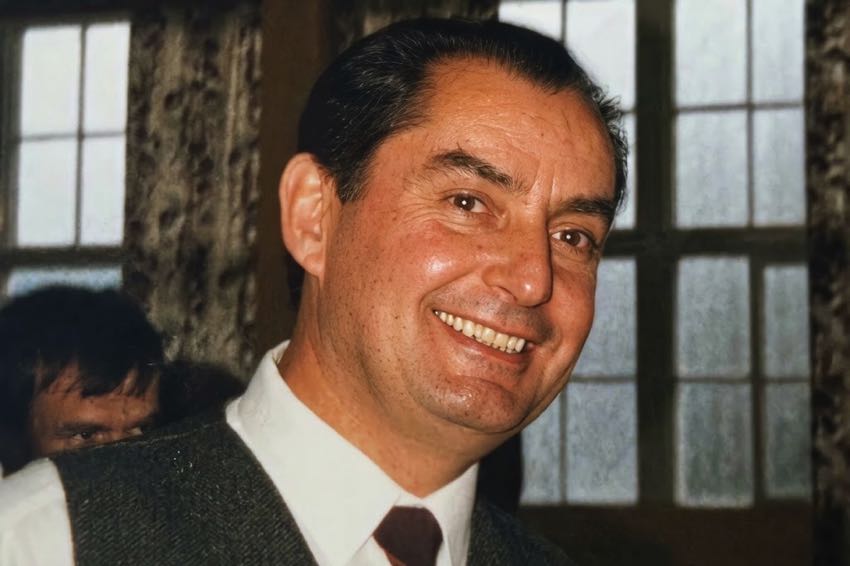

Snooker is a game largely untouched by technological innovation, rule changes or new techniques. It is not a team game, where new formations and tactics can be used, and yet despite these truths, it is a sport that has had several legendary pioneers.
In different (though often overlapping) ways, the likes of Joe Davis, Steve Davis, Stephen Hendry and Ronnie O’Sullivan have all been sport-makers, game changers and pioneers. And Ray Reardon, who died in 2024, was certainly another.
Who Was Ray Reardon?
Ray Reardon, legend of snooker, has died at the age of 91.
✍️ https://t.co/rHxNu17j0W pic.twitter.com/kkldQZ7la8
— WST (@WeAreWST) July 20, 2024
Ray Reardon was born in Tredegar, a town in Monmouthshire in south-east Wales. Labour politicians Aneurin Bevan and Neil Kinnock (and Stephen Kinnock) also hail from the town. The man nicknamed “Dracula”, due to his hair and teeth, worked as a miner and a police officer until well into his 30s, playing snooker as an amateur.
Born in 1932, he did not turn pro until 1967 and would go on to claim the world title six times in the 1970s. His wins in 1970, 1973, 1974, 1975, 1976 and 1978 made him the most successful player in the modern era (from 1969 onwards) for a long time. Steve Davis matched his tally in 1989, before both Stephen Hendry (1999) and Ronnie O’Sullivan (2022) made it to seven World Snooker Championship victories.
Many younger fans will be less familiar with Reardon, but his titles prove he deserves to be considered alongside the best players the game has ever seen. He lost the 1982 final to Alex Higgins and also made it to the final of The Masters four times (winning once).
He continued to play until he was 58 years old, attempting to qualify for the 1991 World Championship. He was made an MBE in 1985 and following his retirement, he helped O’Sullivan win the world title in 2004. Reardon acted as a mentor to the Rocket, helping bring greater tactical awareness to the younger man’s game.
Ronnie has spoken of how he was looking for someone to make him a better player and noted: “Ray was that guy”. He said they shared an “unbelievable relationship” and that Reardon had promised to make him an “impregnable player” by improving the defensive side of his game. It certainly worked, with O’Sullivan’s safety game improving a great deal and the player admitting that Reardon got him “thinking differently” about the game. Ronnie called Reardon “the perfect coach for me”.
Aside from working with O’Sullivan for a brief period, Reardon largely enjoyed a relaxed retirement. He played some exhibition and senior games and a lot of golf, as well as the occasional bit of media work. He died in 2024 of cancer, having reached the age of 91 and having changed so much about the game of snooker.
Snooker’s First World Number 1
Reardon was at his best at a time when snooker was changing. One of these changes was the introduction of a ranking system in 1975. Reardon was the first world number one in snooker, even if others had unofficially held the title before him.
He remained top of the pile for just under six years, with Canada’s Cliff Thorburn replacing him for 13 months between April 1981 and May 1982. Reardon then became the first player to be world number one twice when he reclaimed the mantle for another year.
The nature of the ranking system has changed several times over the years, and it has certainly been altered very dramatically from Reardon’s day. Initially, only the World Championship carried ranking points.
Reardon Brings Sport into the Modern Era
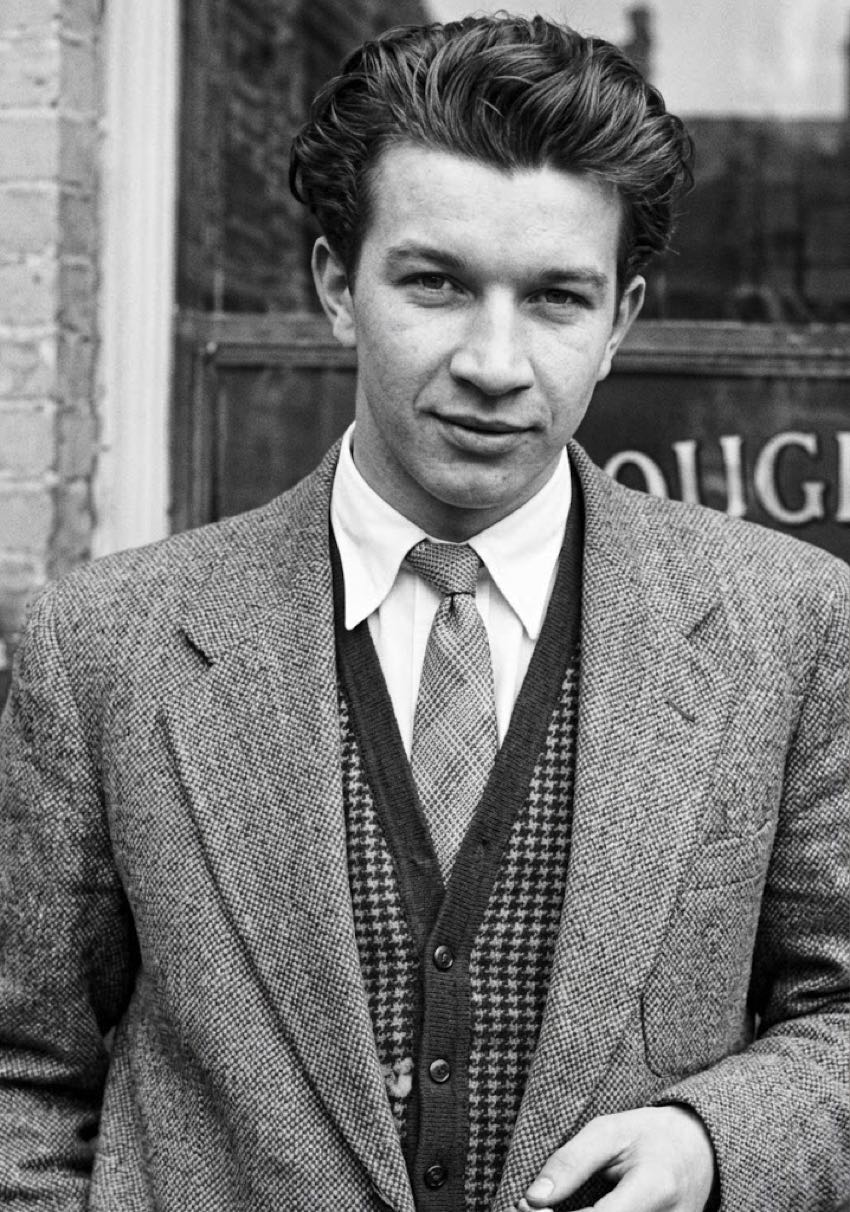

Prior to being crowned the sport’s first official world number one, the Welsh snooker star won several world titles. Snooker’s popularity had declined considerably in the period after the Second World War. There was no World Championship during the conflict, and due to a lack of interest it was also not held between 1958 and 1963.
When it returned in 1964, it was played as a challenge match, a straight head-to-head between two players. In 1969 it was reintroduced as a knockout tournament, and this marked the birth of the modern era. And Ray Reardon was the first superstar of the sport.
Englishman John Spencer won the title in 1969 and 1971, either side of Reardon’s first world crown. Alex Higgins beat Spencer in the final in 1972, but then Reardon dominated, winning four in a row and five of the next six.
Reardon’s best days came before snooker really exploded in the 1980s. That meant he missed out on the wealth of later players. However, his excellence, at a time when colour TV was just becoming mainstream in the UK, helped lay the foundations for the players who followed him.
Amazing Longevity
He made the final again in 1982, at the ripe old age of 49, having already become the oldest winner (at the age of 45) in 1978. His success in 1982 at the Professional Players Tournament, at the age of 50, made him the oldest man to win a ranking event. His tag as oldest world champion lasted 44 years, before Ronnie won in 2022 at the age of 46. His ranking-event record survived almost as long – 43 years – before Mark Williams bettered it by almost 200 days.
The “Class of ’92” have redefined how age is viewed in snooker in the modern era. However, before they came along, Reardon was a pioneer in terms of his longevity at the top of the game. Given how late he came to the pro game, it is perhaps more accurate to speak of how he maintained his high standards into his 40s, rather than how long he stayed at the top.
Even so, for a long time, there was nobody of a similar age playing at Reardon’s level. Steve Davis was 38 when he won his last world title, while Hendry was just 30.
Tactical Maestro
Tactics have always been a significant part of snooker. No matter how defensive it was in the past, or how attacking the game becomes as players get more proficient, knowing what shots to take on and how to play them will always be key. That is something with which Reardon helped O’Sullivan a great deal and is perhaps the Welsh player’s greatest claim to being a game-changer in the world of snooker.
His patience, resolve, planning and strong safety game set the template for the likes of Davis. He was an astute player who was an exceptional, gritty competitor, and he truly elevated the game in a tactical sense.